

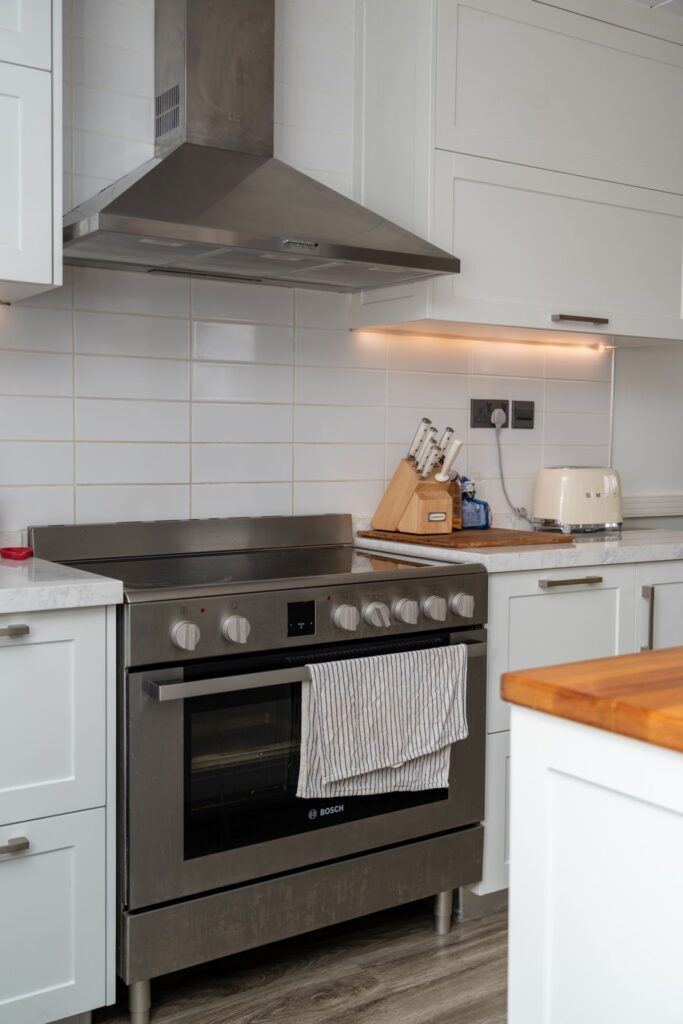
When choosing Shaker kitchen doors, there are several factors to consider to achieve the right look and quality for your kitchen. But one consideration that is often overlooked is the thickness of the MDF. However, MDF is available in different thicknesses, and choosing the right option can influence the look and feel of your kitchen. So, what thickness MDF should Shaker kitchen doors be, and what should you consider when making your choice?
MDF Shaker kitchen doors are available in a range of thicknesses to suit different preferences and designs. 18mm is often considered the standard thickness, with 22mm and 25mm options also available.
An 18mm door is a common choice for kitchen cabinetry, offering a substantial feel that suits the clean, simple design of a traditional Shaker door. The 22mm and 25mm alternatives provide additional options for homeowners who want a thicker door.
There is no single thickness that is right for every kitchen. The most suitable option will depend on the door’s design, dimensions and construction, as well as the overall look you want to achieve. Checking the specifications of your chosen door style is therefore an important part of the decision-making process.
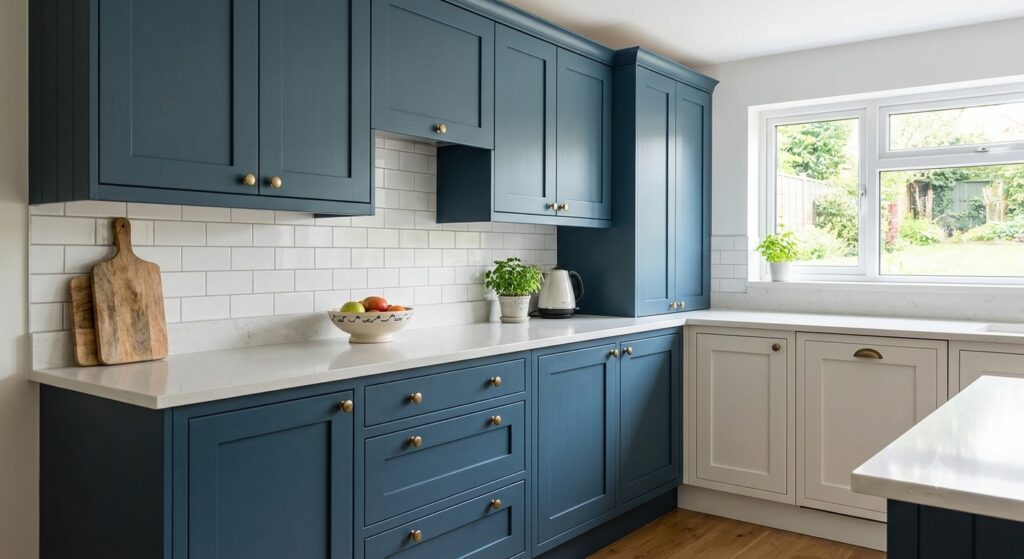
The thickness of MDF can influence the weight, rigidity and overall feel of a kitchen door. These considerations are particularly important in a room that is used every day, where cabinet doors are regularly opened and closed.
An 18mm MDF door is a popular choice, along with 22mm and 25mm options for thicker alternatives. However, choosing a thicker board does not automatically mean choosing a better-quality door. The quality of the material, the way the door is manufactured and the design of its components are all important factors.
It is also worth considering the door’s weight. Thicker doors will generally weigh more when other dimensions and construction details are comparable, so suitable hinges and cabinet fittings are essential.
Shaker kitchen doors are recognised by their simple framed appearance, usually featuring a flat centre panel surrounded by a border. Although the design is relatively understated, the proportions and construction details can make a noticeable difference to the finished look.
The thickness of the door is one consideration, but the width of the frame, the profile of its edges and the relationship between the frame and centre panel also contribute to the overall appearance.
Whether you choose 18mm, 22mm or 25mm MDF, it is worth looking at the complete door design rather than focusing on thickness alone. A well-proportioned Shaker door can complement both traditional and contemporary kitchens, with the choice of colour, handles and surrounding materials helping to determine the final style.
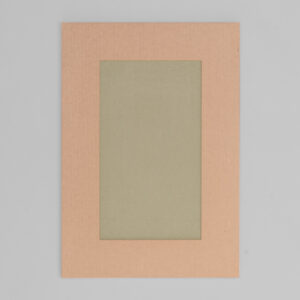
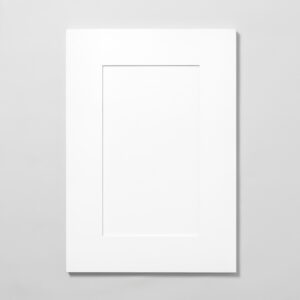
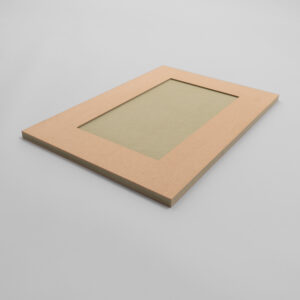
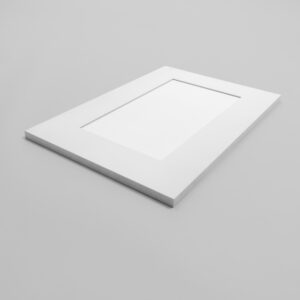
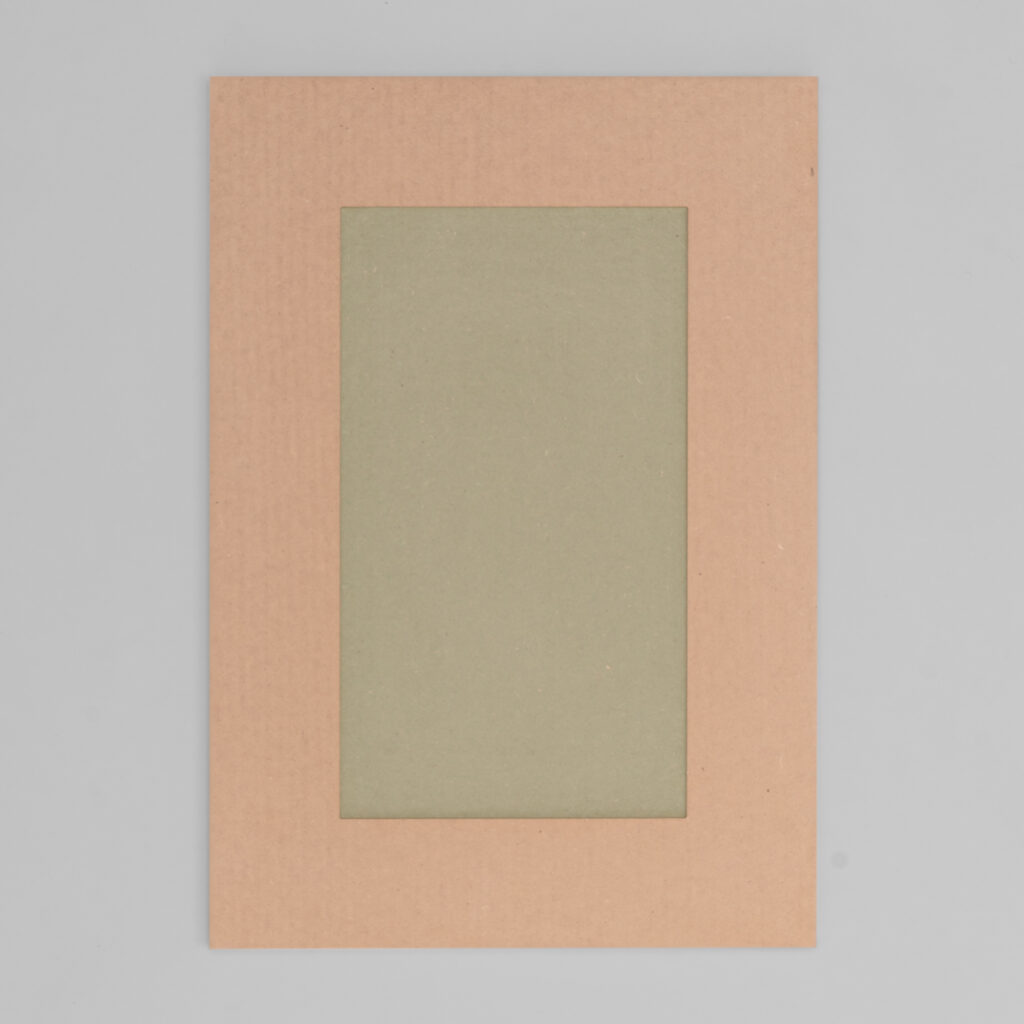
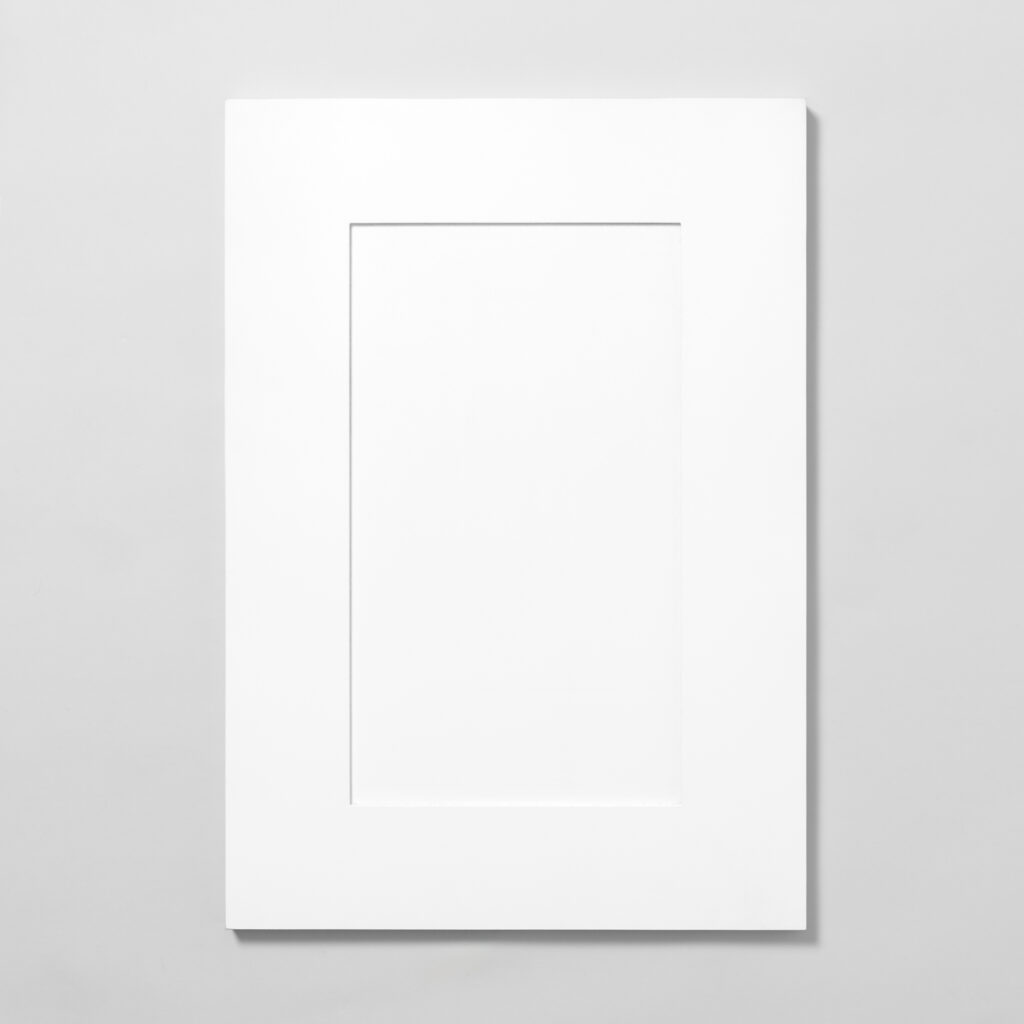
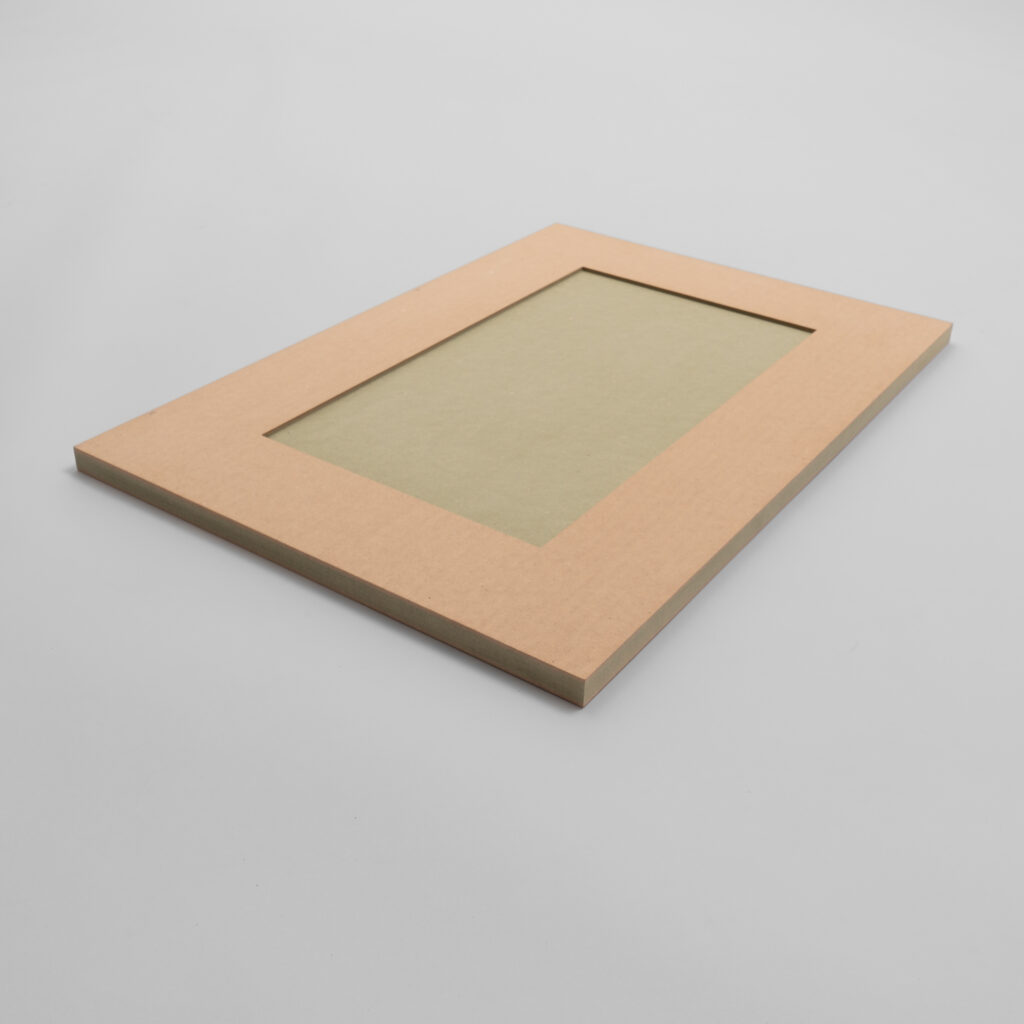
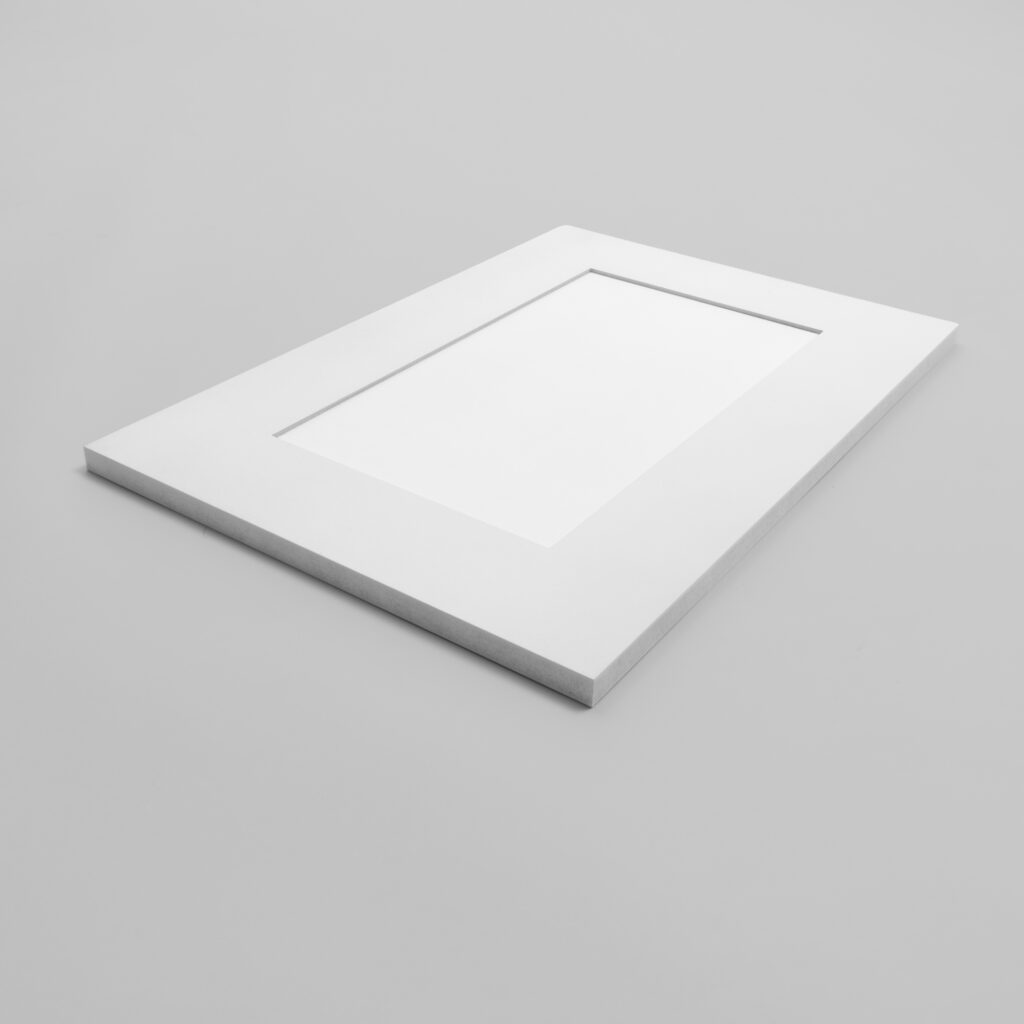
Our 85mm MDF Shaker Door is our best-selling shaker door, with over 4,000 doors sold last year alone. Loved by homeowners and trades alike, this classic shaker style strikes the perfect balance between traditional proportions and modern practicality.
MDF is a popular choice for painted Shaker kitchen doors because it provides a smooth, consistent surface without the prominent grain found in natural timber. This makes it well suited to achieving an even, refined painted finish.
Its versatility also makes it suitable for the clean lines and framed appearance associated with Shaker designs. Whether you prefer classic white, soft grey, sage green or a deeper navy, painted MDF doors offer plenty of scope to create a kitchen that reflects your personal style.
The right thickness for MDF Shaker kitchen doors depends on the design, dimensions and overall specification of the door. 18mm MDF is the standard option, with 22mm and 25mm alternatives also available, which are suitable for thicker doors.